Practical Planning for a Pet’s Later Years: An Owner’s Field Guide to Veterinary Decisions
Early in a pet’s life, it helps to scope a long-view plan that anticipates age-related needs and shifting priorities. Establish baseline health records, discuss risk factors, and outline how you’ll assess mobility, appetite, and daily comfort over time. This forward map clarifies thresholds for interventions, potential home adaptations, and budget contours. It also defines who participates in decisions, so moments of stress don’t derail compassionate, timely choices.
Meanwhile, build a support bench that blends primary and complementary care. A general practitioner, behavior resource, and rehabilitation-minded clinician create a rounded team. If exploring TCVM - Traditional Chinese Veterinary Medicine, verify credentials and discuss how modalities integrate with conventional treatments. Document any supplements, interactions, and goals. This layered network can buffer unexpected setbacks and sustain continuity when travel, weather, or personal schedules complicate access.
Beyond that, assess your home’s layout with a safety lens as mobility changes. Traction mats on slick floors, ramps where stairs are steep, and elevated bowls can reduce strain. Secure sleeping areas away from drafts and high-traffic zones. Lighting matters at night for older eyes. Keep essentials on a single level when possible. Small modifications maintain independence longer, which can recalibrate how often clinic visits or transport assistance are truly necessary.
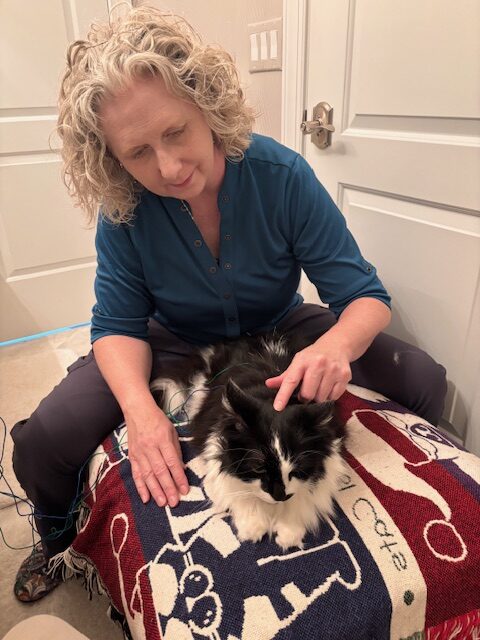
In practice, pet mobility consultations provide targeted insight on strength, joint health, and gait. Ask for measurable home exercises, dosing ranges that reflect current weight, and cues that signal when to pause activity. Pair these with pet acupuncture as a noninvasive adjunct if appropriate. Track responses in a simple log: time of day, activity tolerance, appetite, and rest quality. Over weeks, patterns emerge that validate what’s working and what to refine.
Often, pain is under-recognized, so calibrate your observation habits. Subtle posture shifts, reduced jumping, altered grooming, and sleep disturbance may point to discomfort. A pet pain management plan should align medications, nutraceuticals, and physical therapies with specific goals like smoother transitions from lying to standing. Validate the plan regularly, especially after any acute flare or environmental change, and update the home setup accordingly.
However, quality-of-life scoring tools can turn hard feelings into clearer data. Select one framework and apply it consistently each week, not just during crises. Weight, hydration, social engagement, and interest in play are key anchors. Then review findings with your care team, tying scores to action steps rather than abstract worry. This disciplined rhythm streamlines decisions, minimizes regret, and spotlights when senior pet veterinary care needs to expand or pivot.
Then, discuss contingencies for advanced illness or cognitive decline. Sequence conversations about comfort-focused care before urgency hits. Define thresholds for hospital transport, oxygen needs, or sedation, and specify who makes calls if you’re unavailable. Keep written preferences with your veterinarian’s contact details. Transparent guidance shortens response time and lowers stress for the pet, especially during nighttime or holiday episodes.
Finally, families may consider Pet Euthanasia options well ahead of need, not as a forecast but as preparedness. Explore at home pet euthanasia to understand logistics, timeframes, aftercare choices, and how other animals in the household might react. Keeping information on hand does not hasten decisions; it simply reduces uncertainty when comfort is the priority. Clarity lets you focus on calm, familiar surroundings and gentle handling.
Similarly, in home pet euthanasia can align with the pet’s routine to avoid car anxiety and clinic overstimulation. Discuss how children might be involved, what to expect during each phase, and how your veterinarian manages pain and sedation. Inspect access points in your home for privacy and ease. Confirm any local requirements for remains and memorial items so the process flows without administrative strain.
Ultimately, a resilient plan is iterative. Maintain records, revisit goals, and invite second opinions when your gut and the data diverge. Refine environmental supports as seasons change, validate pain protocols after any new diagnosis, and phase in comfort measures early rather than late. This steady, informed approach honors the full arc of a pet’s life—balancing longevity with ease, and presence with peace.